The Gut–Brain Axis and Its Impact on Special-Needs Children
Childhood
The gut–brain axis is the two-way connection between the digestive system and the brain. It involves the nervous system, immune system, hormones and the gut microbiome.
Read More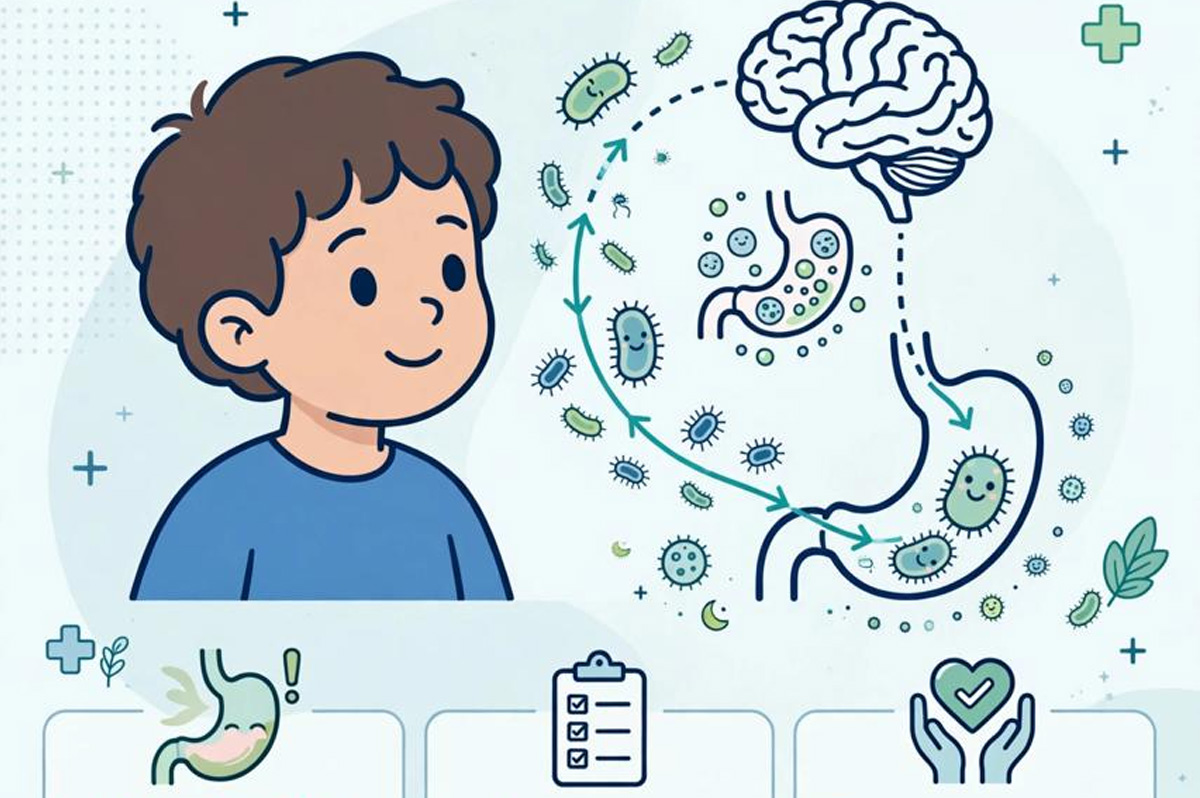
The gut–brain axis is the two-way connection between the digestive system and the brain. It involves the nervous system, immune system, hormones and the gut microbiome.
Read More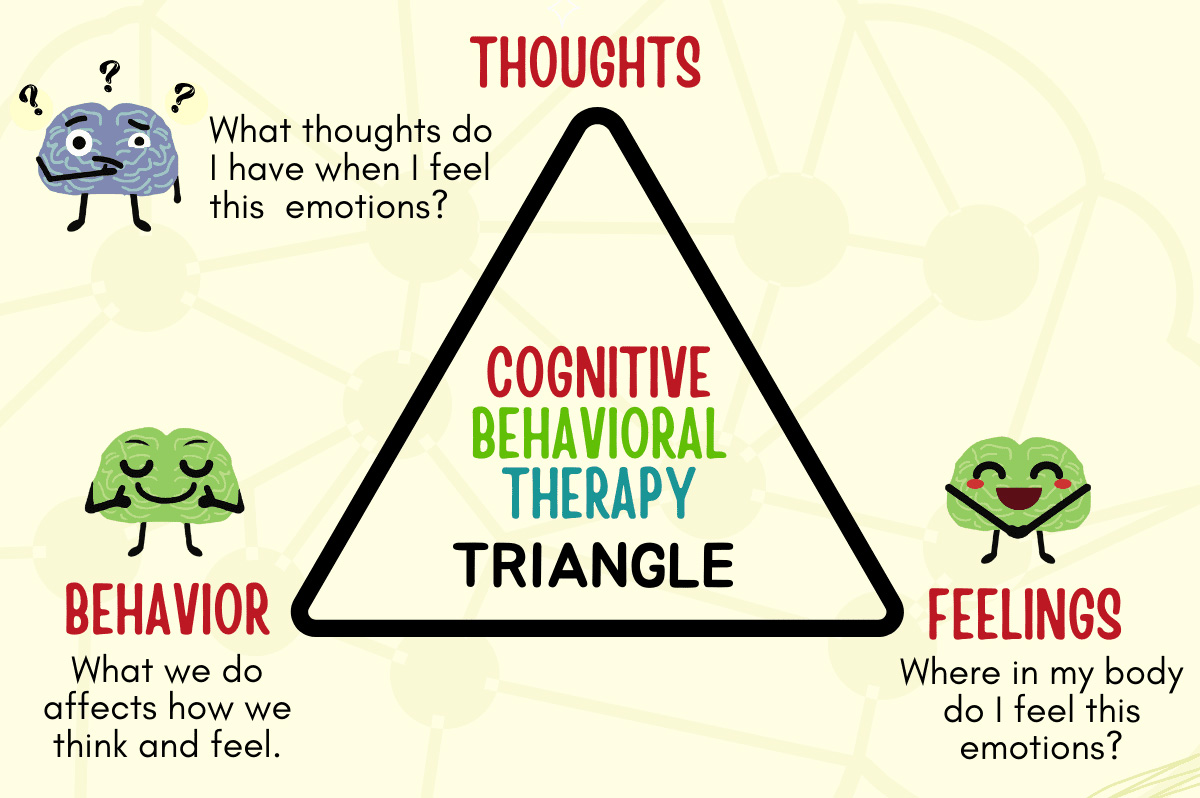
Our thoughts, feelings, and behaviours are deeply connected. A single negative thought can affect how we feel, and those feelings can influence how we behave.
Read More
The Empty Boat Theory, from ancient Taoist philosopher Zhuangzi, helps us stay calm when life gets frustrating. While most people think anger comes from what happens, psychology + Taoism show that
Read More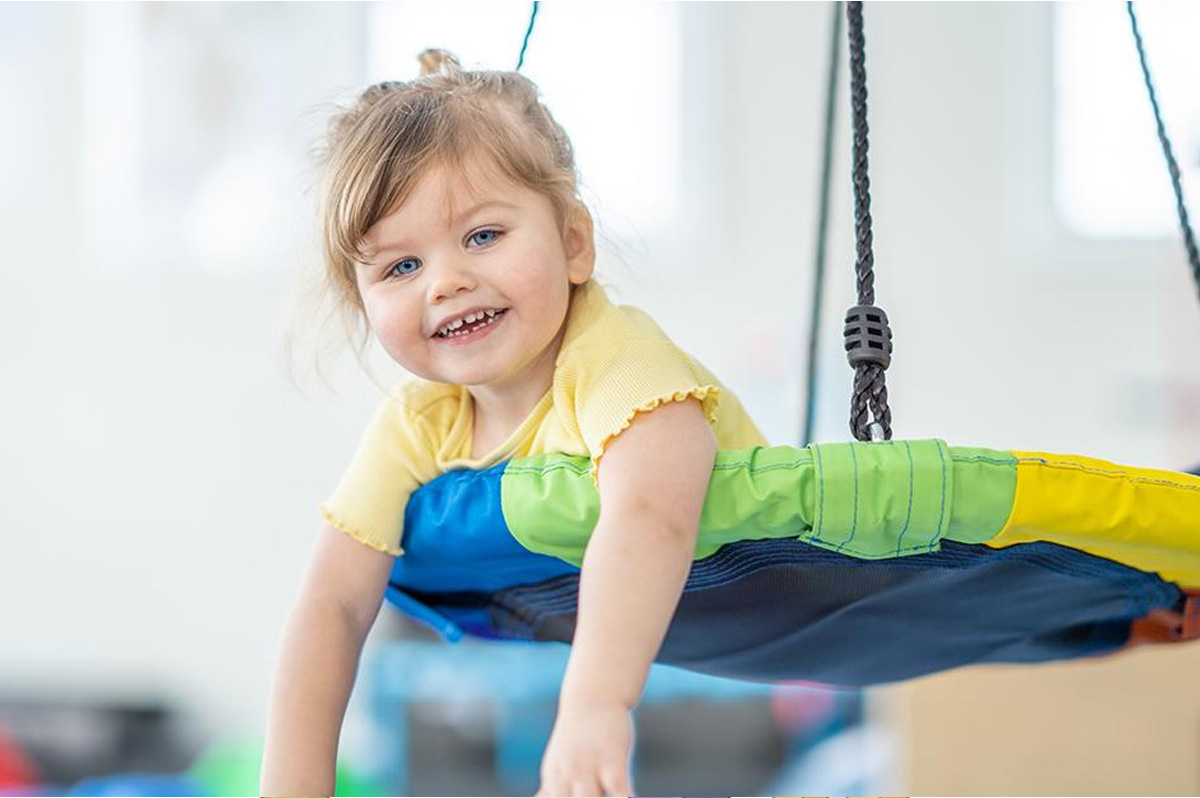
The vestibular system, located within the inner ear, is responsible for balance, movement, spatial orientation, and postural control. While many people associate it only with physical movement, research
Read More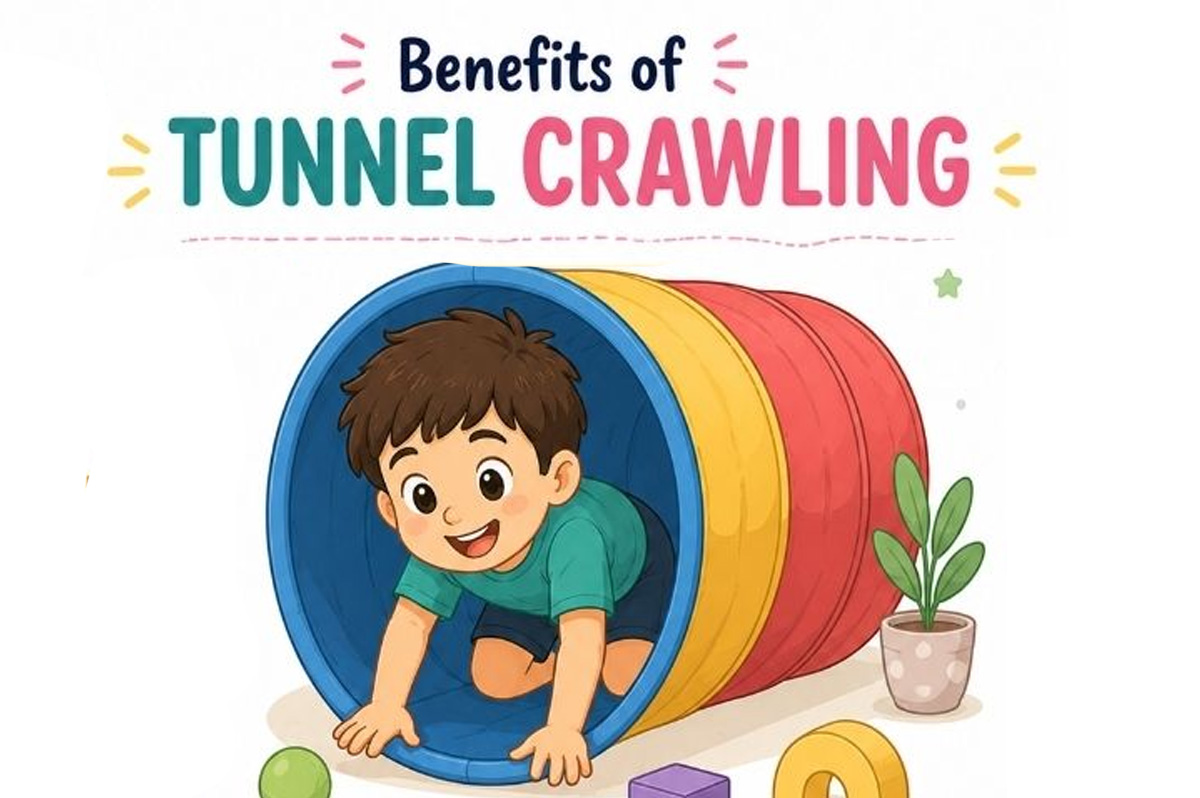
Tunnel crawling is often used in pediatric therapy, occupational therapy, sensory integration programs, and special education settings because it activates multiple sensory and motor systems together.
Read More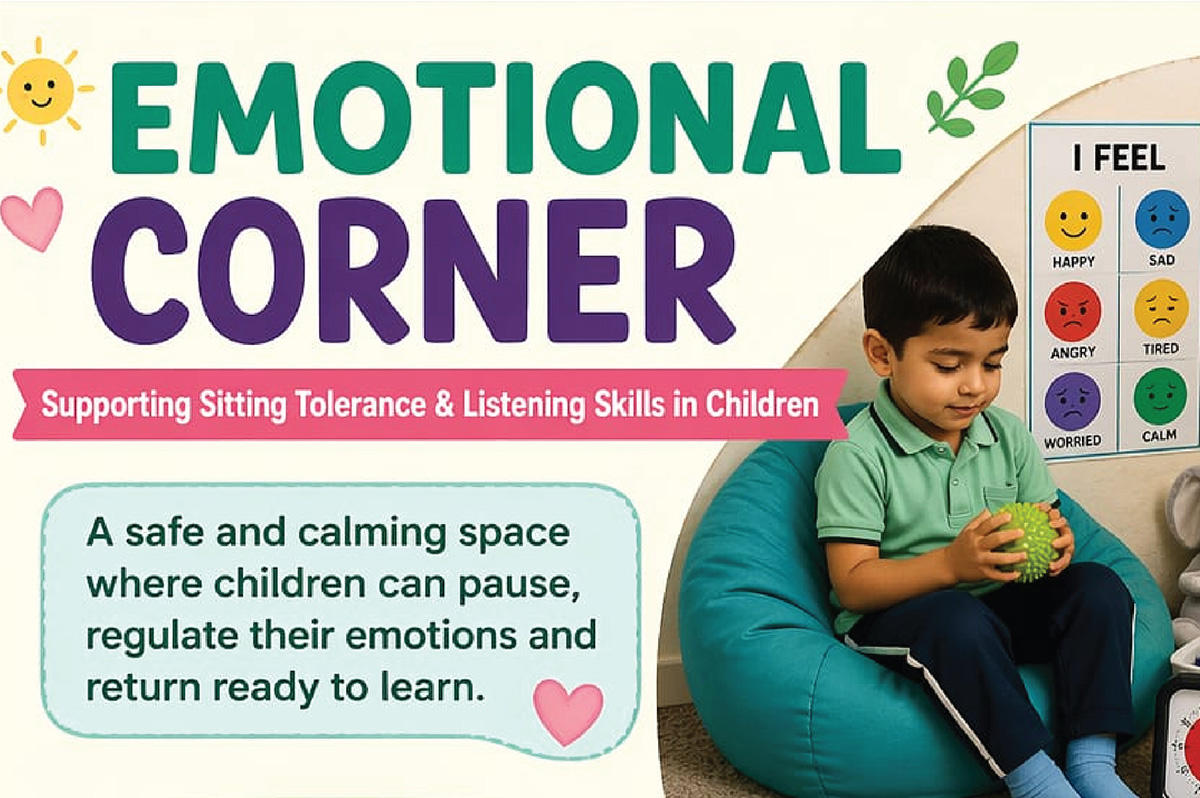
Every child communicates through behaviour. When a child struggles to sit, listen, or stay engaged, it is often a sign that their body and mind need support—not control.
Read More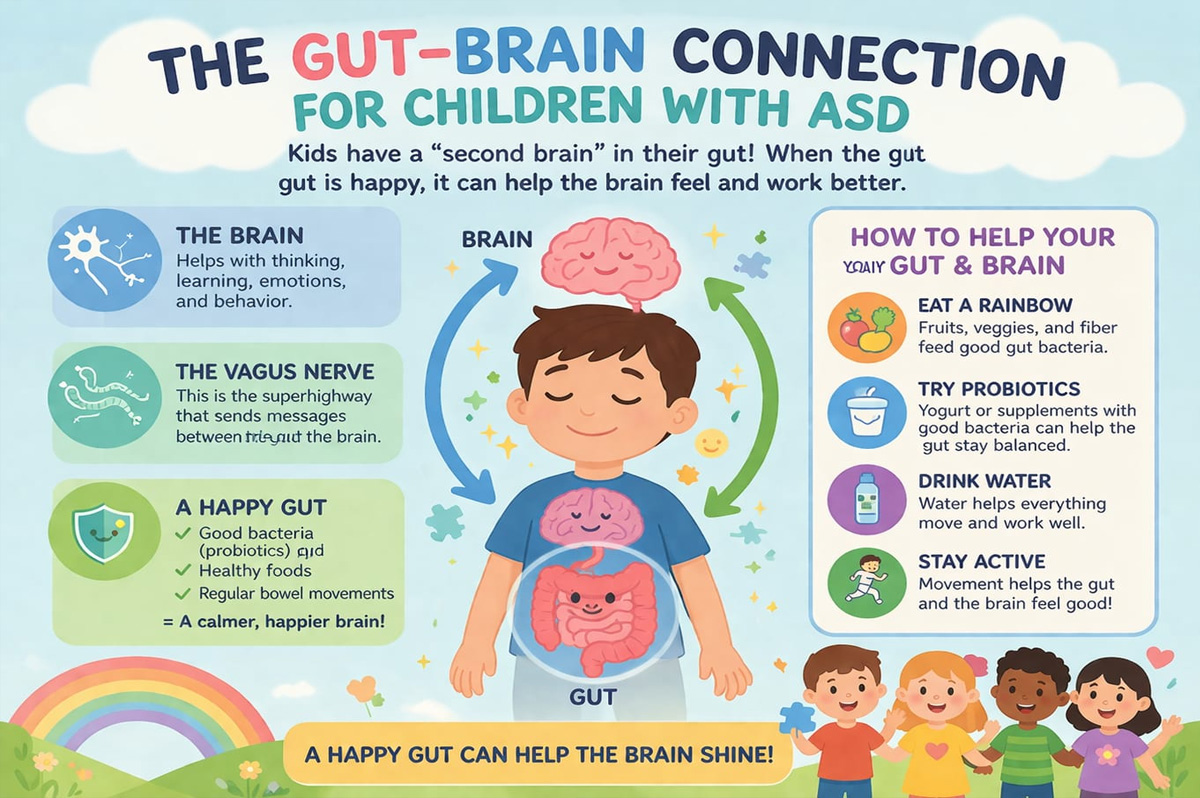
Reduce: White sugar, Maida, Bakery items, Artificial colours, Excess screen during meals Include Brain-Regulating Foods
Read More
In many autistic individuals, healing does not begin with words, instructions, or corrections. It begins with safety. One of the most powerful — and often underestimated — ways to create safety is predictability.
Read More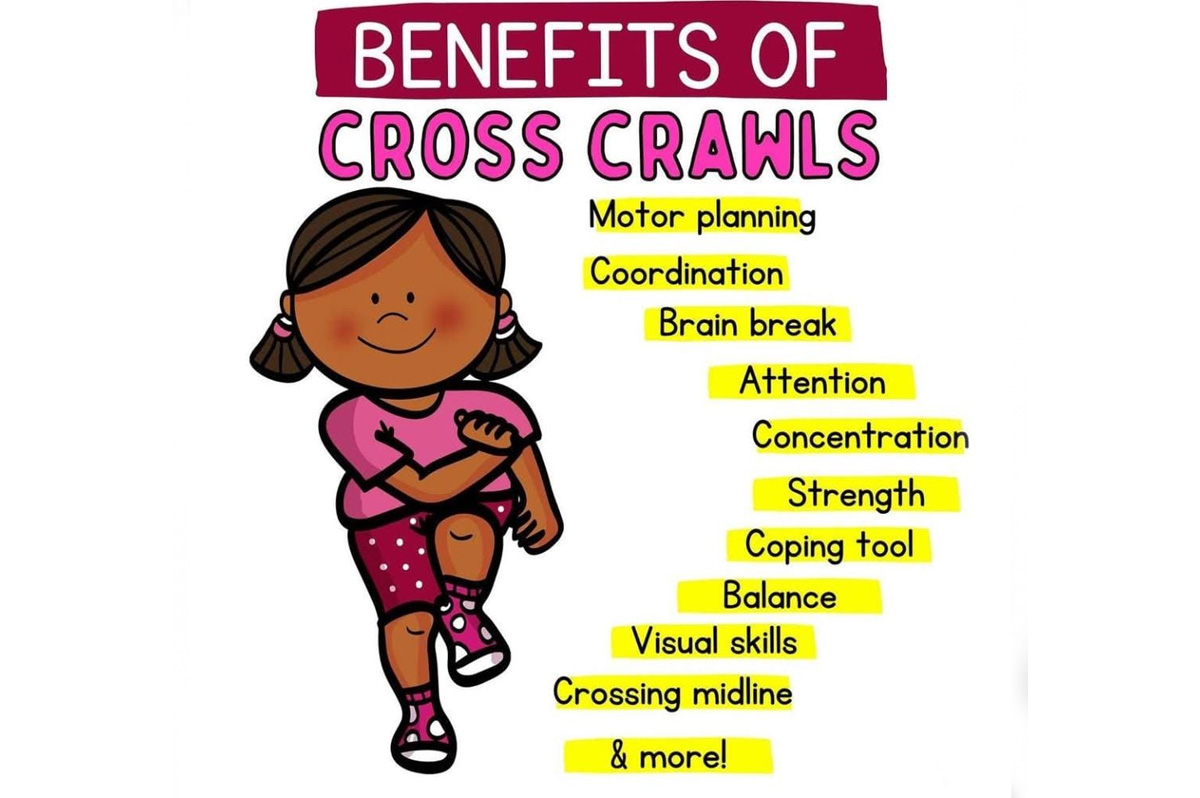
Cross crawls are one of those simple-but-powerful activities—especially useful in special education, sensory integration, and learning readiness. Here’s a clear, practical breakdown
Read More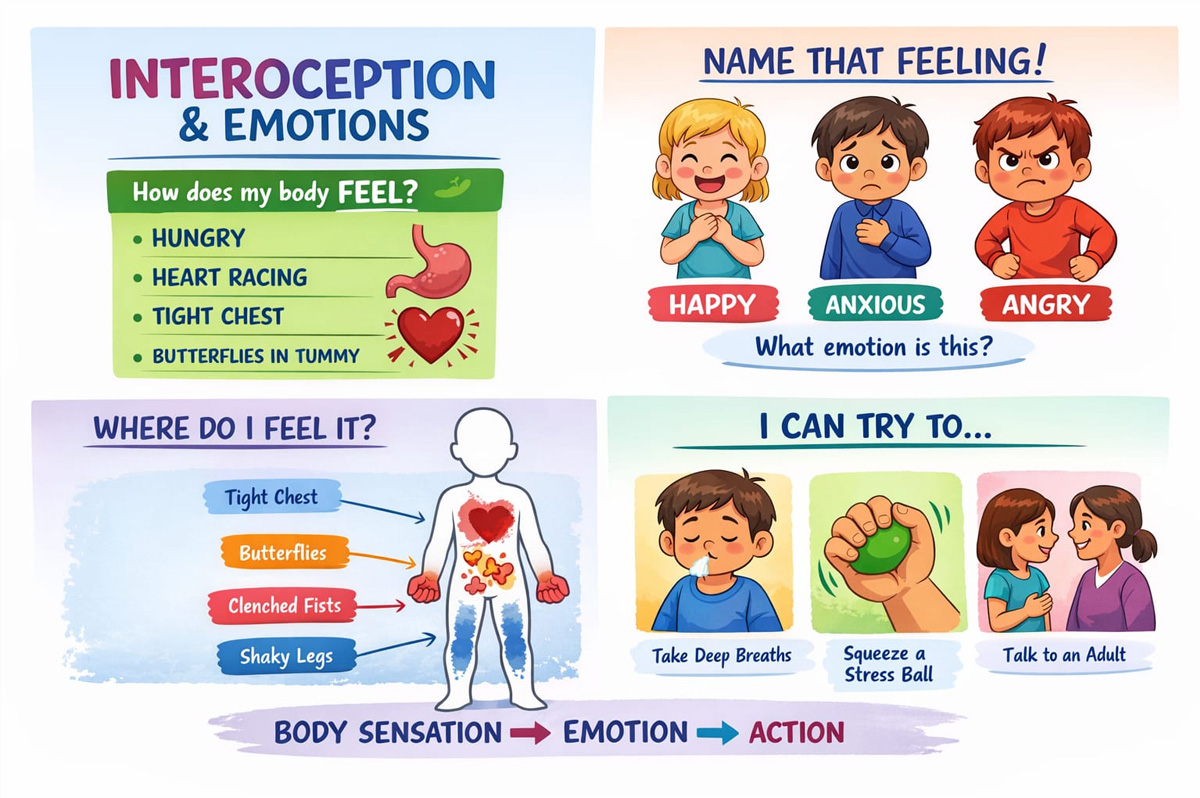
Interoception has a strong connection to emotional processing because of the physical way that we experience emotions. Our muscles clench when we are angry, quiver when we are scared, and relax when we are calm.
Read More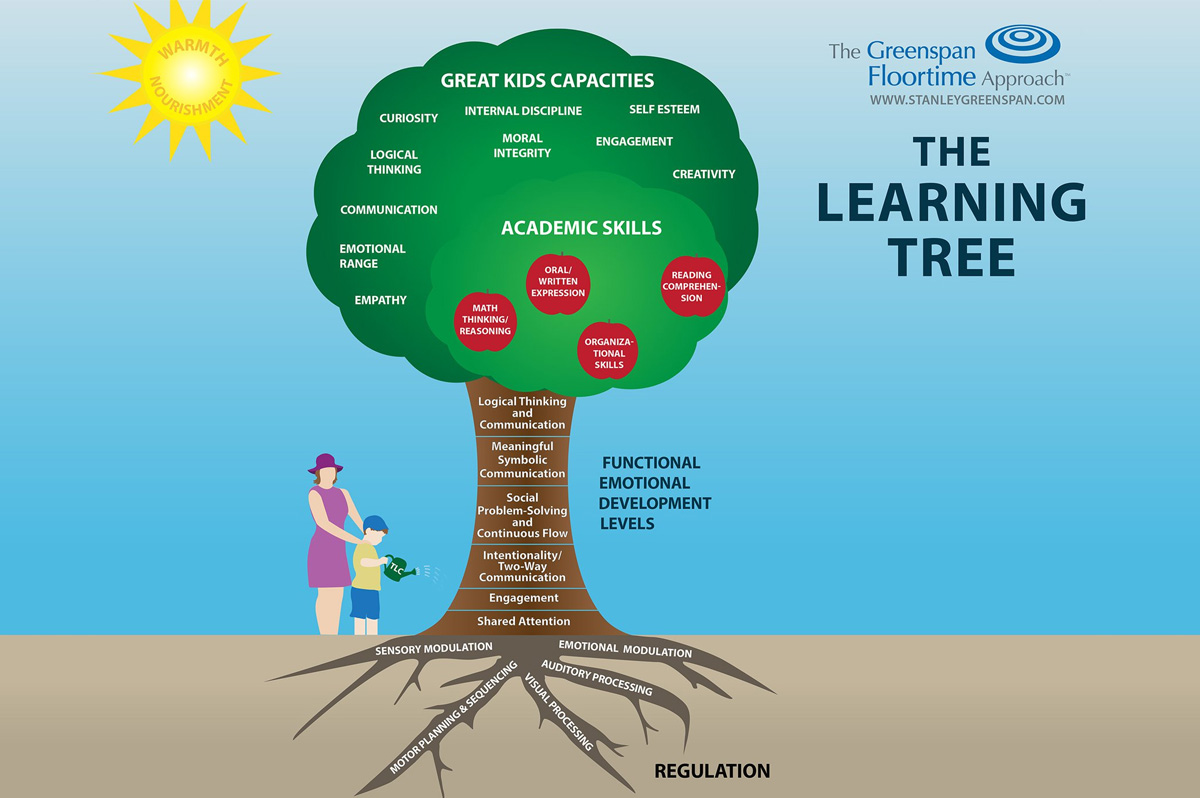
DIR Floortime is a therapy approach that uses playful interaction and relationships to help children with developmental challenges, including autism, improve communication and social-emotional skills.
Read More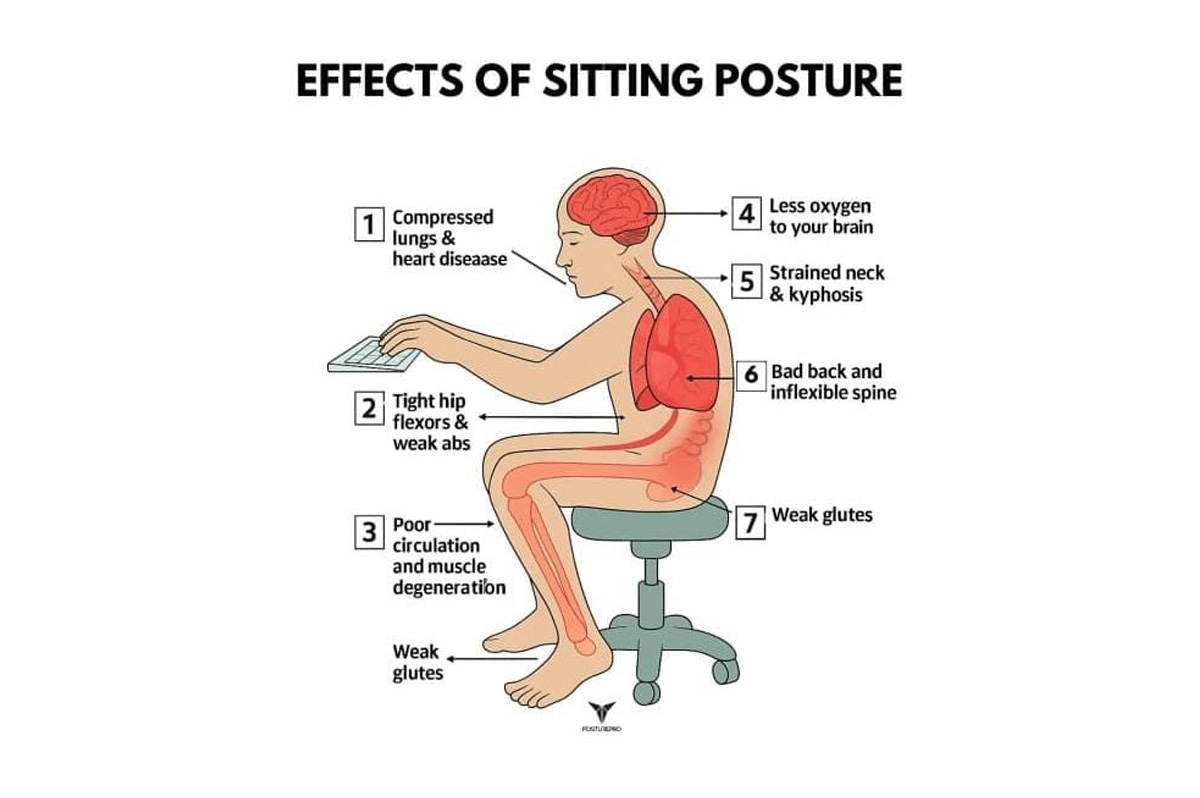
Poor posture (slouching, leaning, twisting): Can cause back, neck, and shoulder strain. Leads to fatigue and reduced endurance during classroom tasks.
Read More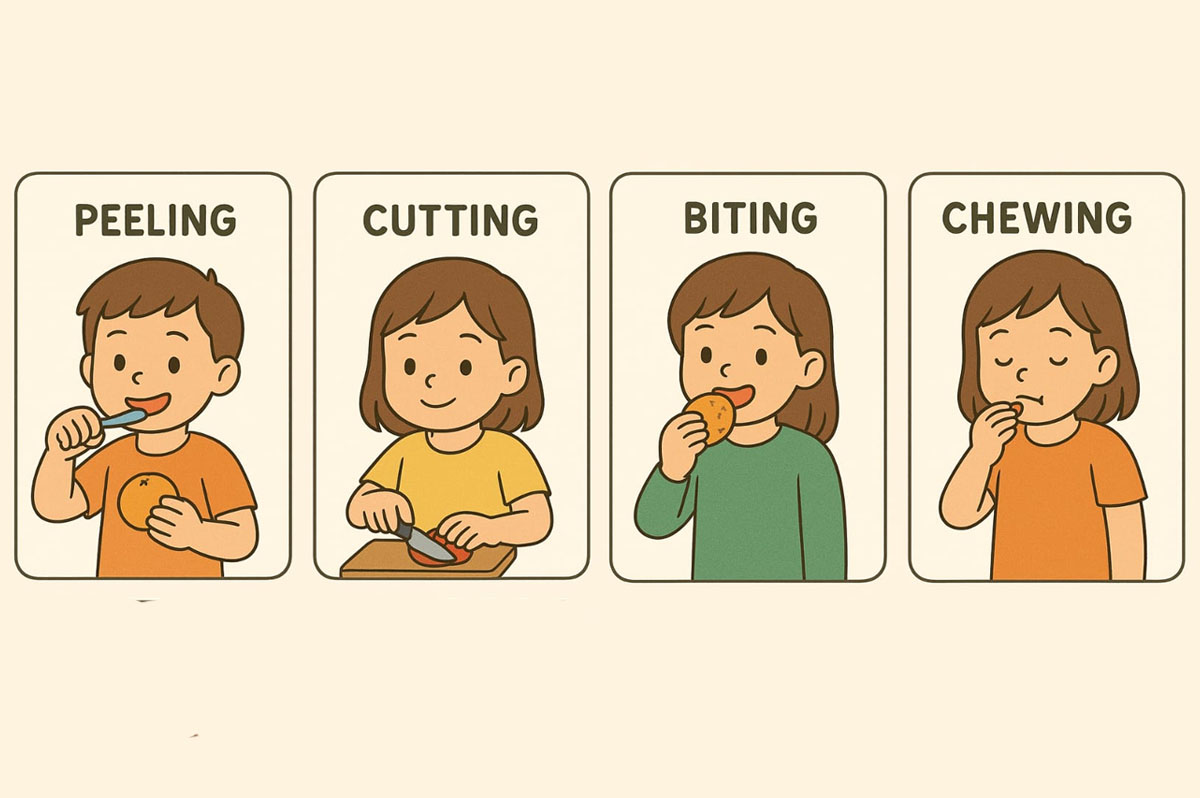
Vegetative skills are the basic oral-motor functions that are not primarily speech-related, but are crucial for developing the muscles and coordination needed for speech.
Read More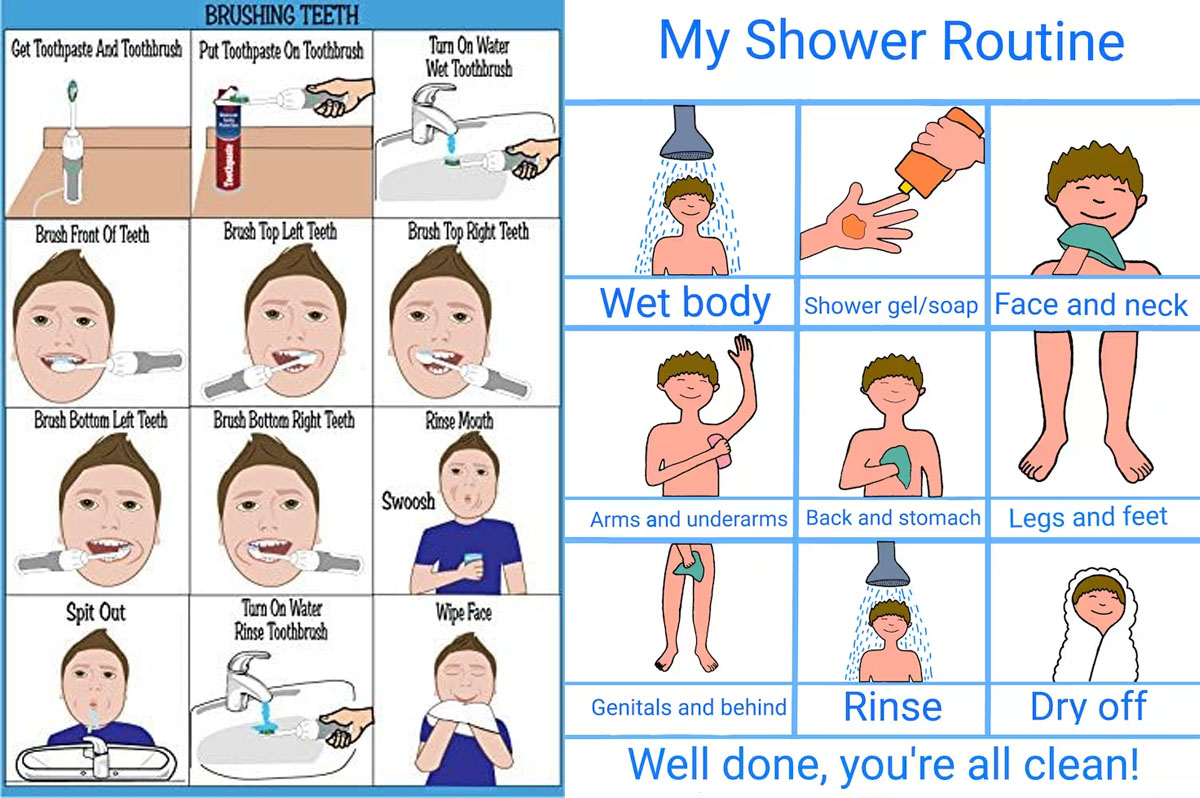
Every parent wishes for their child to be independent so they can maintain a quality of life even when the parents are not around to help them.
Read More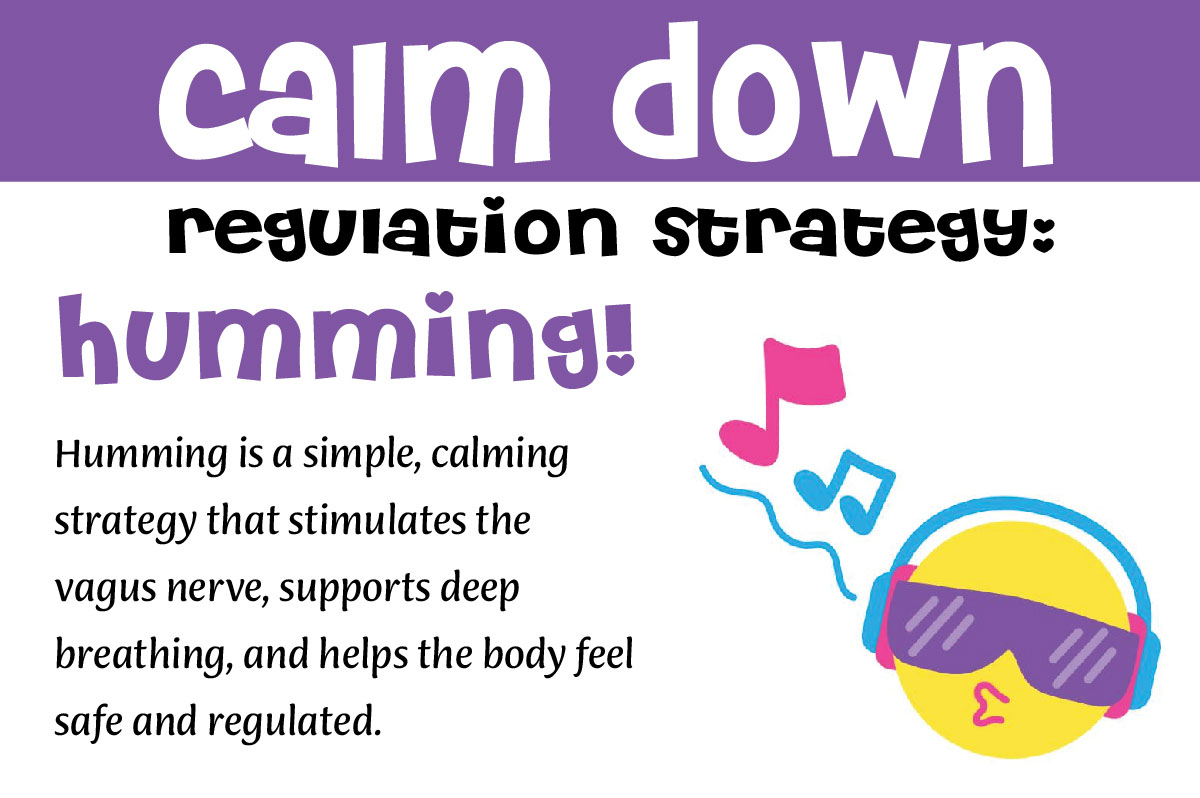
Yes, humming is a simple yet powerful calm-down regulation strategy, especially effective for individuals with sensory sensitivities,
Read More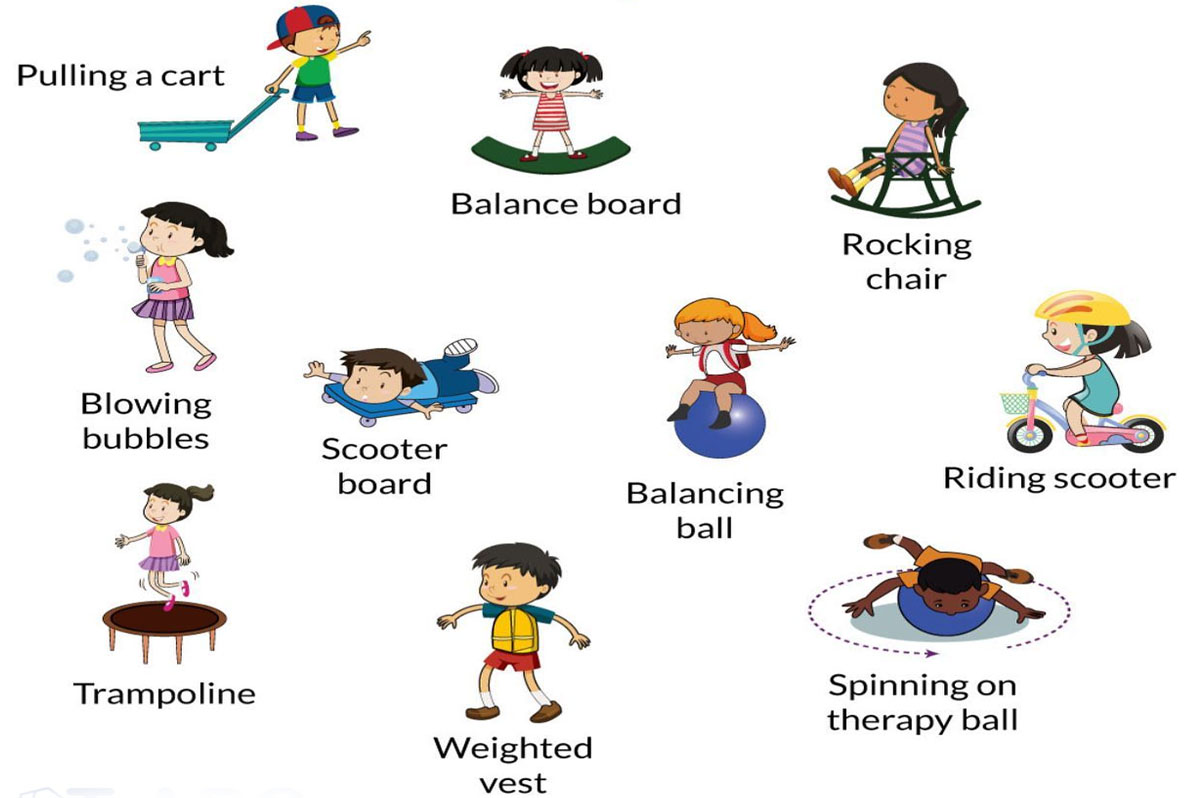
A balanced sensory diet is defined as a planned and scheduled -activity programme that an occupational therapist develops specifically to meet the needs of the individual's own nervous system.
Read More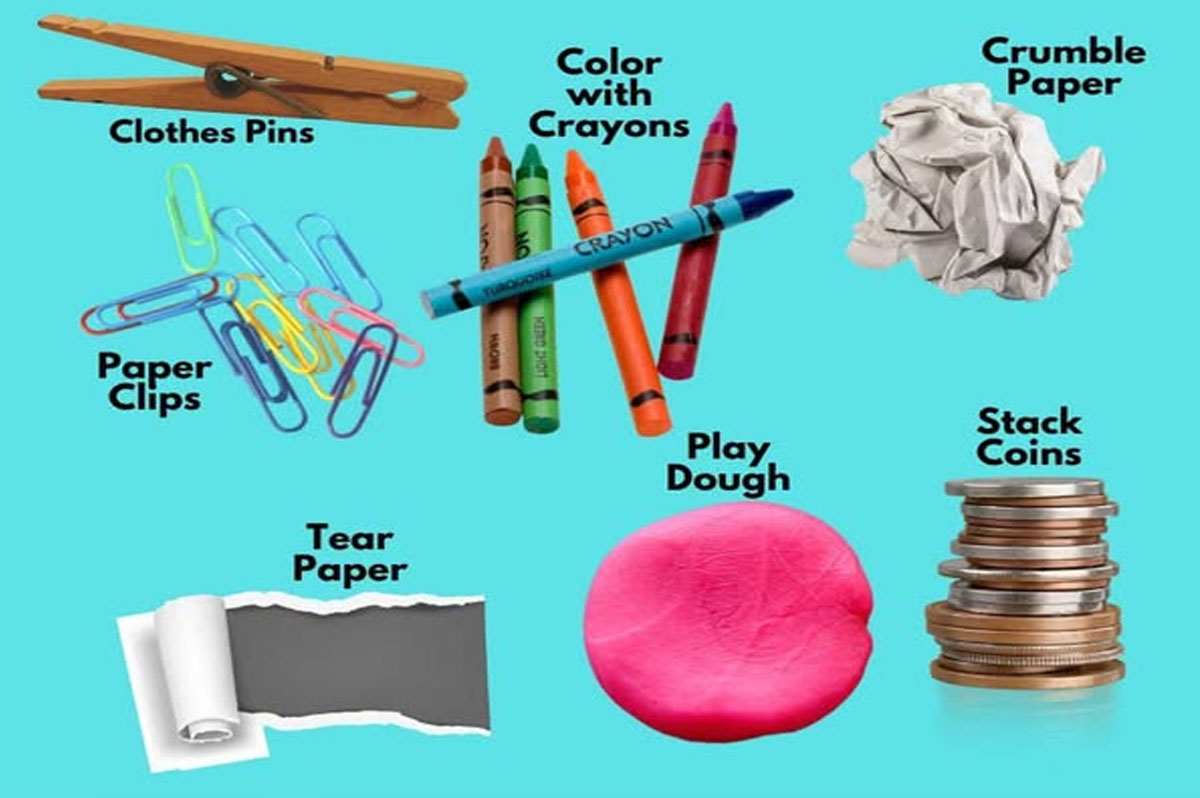
Pencil grasp is a critical skill for children, as it directly affects their ability to write efficiently, comfortably, and legibly.
Read More
Play therapy is a crucial tool for children with Global Developmental Delay (GDD), offering them a structured and supportive environment to foster
Read More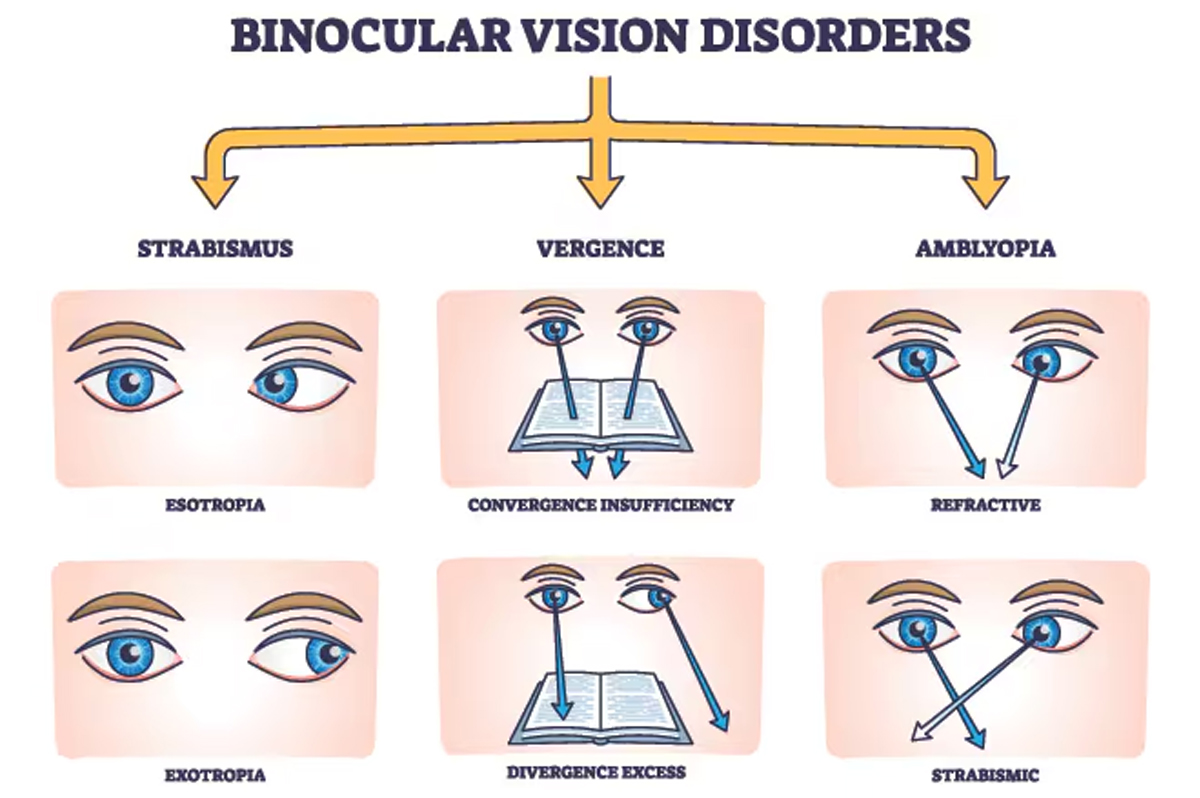
Binocular vision, or the ability to use both eyes together to create a single, clear image, is crucial for a child’s learning and development.
Read More
Children with Learning Disability (LD) exhibit a wide range of symptoms. These include problems with Reading, Mathematics, Comprehension, Writing, Spoken language or Reasoning abilities
Read More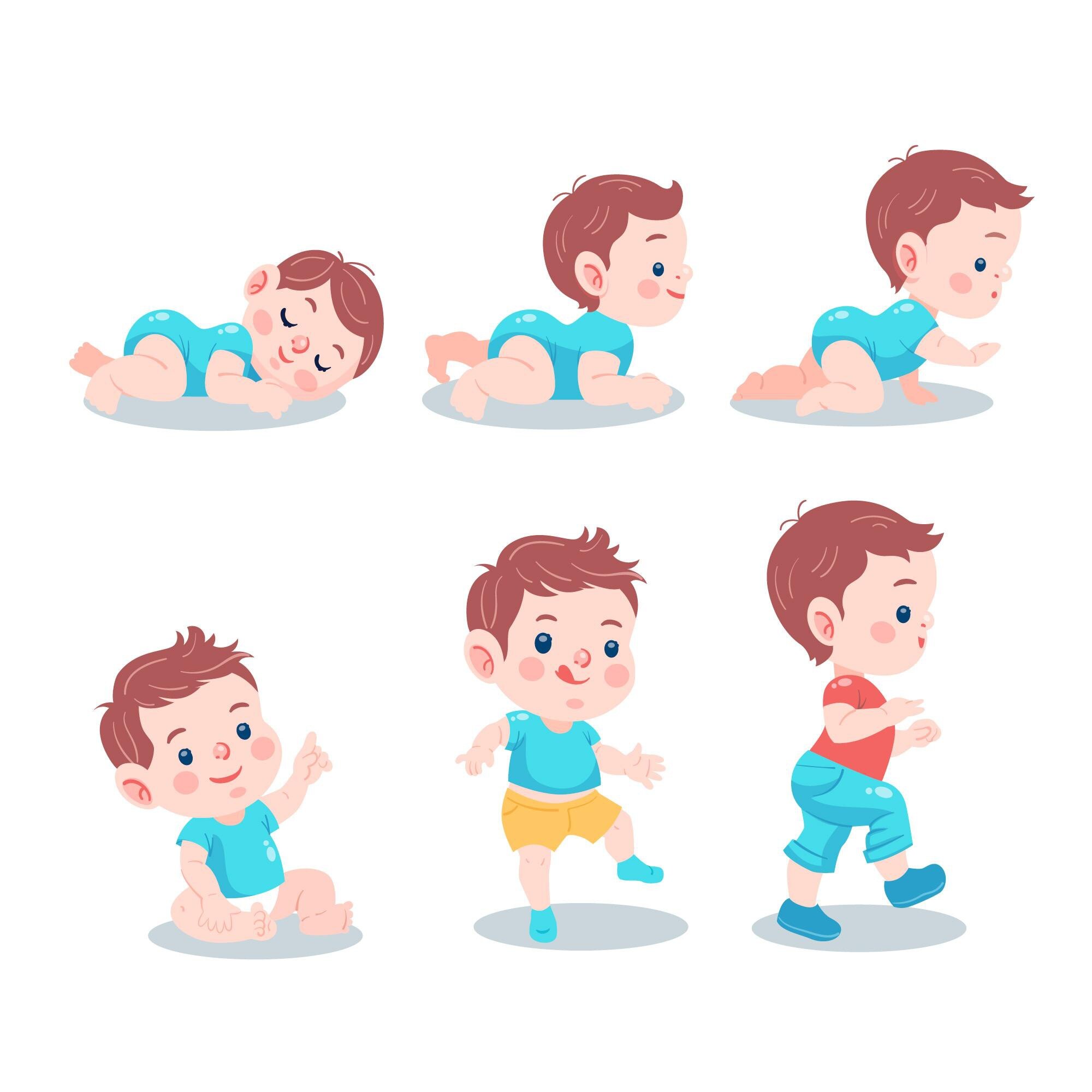
Crawling is a significant milestone in a toddler's development as it serves as a foundational step in their physical, cognitive, and social growth.
Read More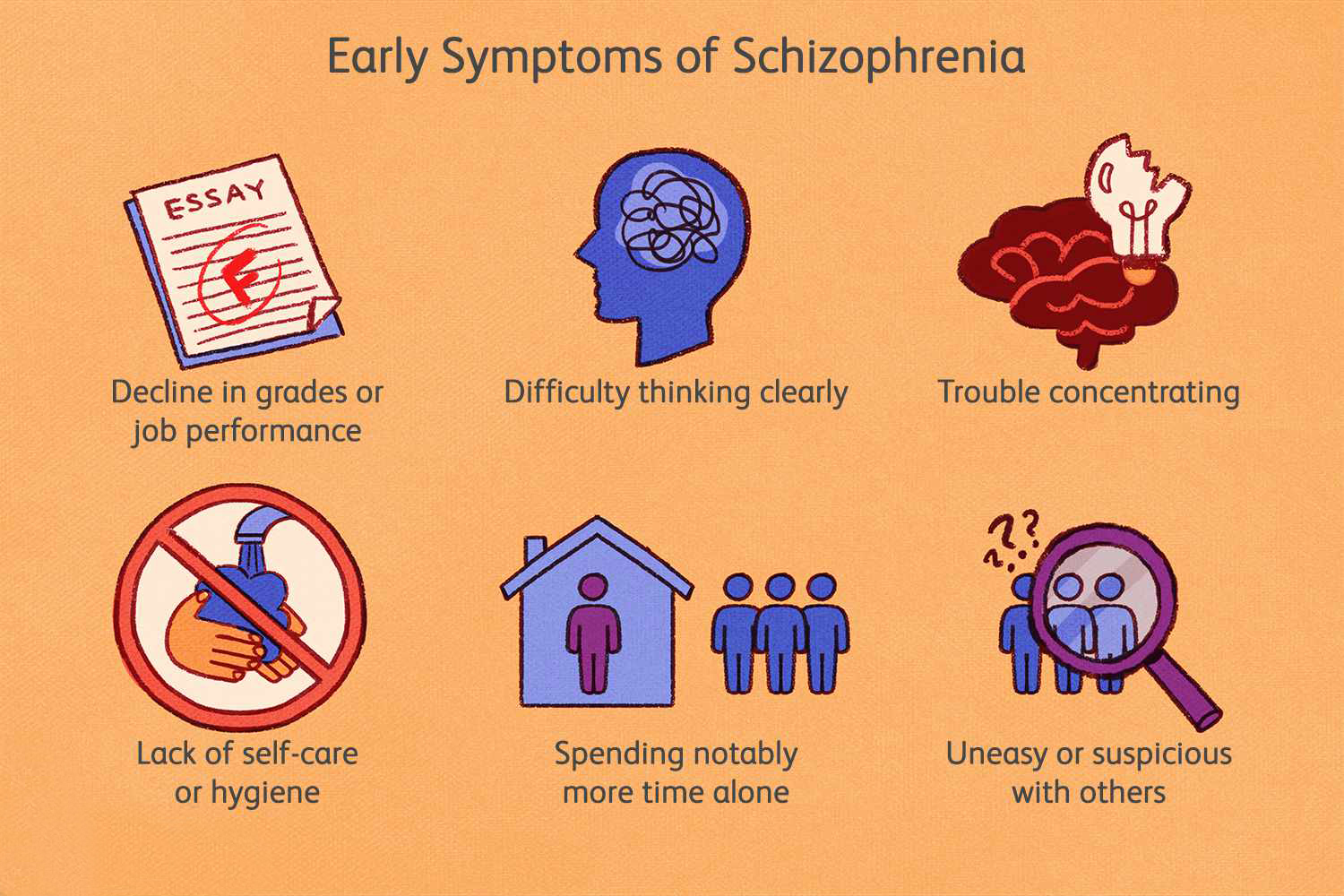
Childhood schizophrenia, though rare, is a severe and chronic mental health disorder that manifests in children under the age of 13.
Read More
Started in 2001 and established as a quality service provider in the field of Special Education, V-Excel has impacted several thousands of individuals with special needs and their families over the years.
Visit Page Click to Chat